Psychoanalyst & Psychotherapist, San Jose
I spent fifteen years as a Silicon Valley engineer before I trained as a psychoanalyst — because I wanted to work with what's underneath, not just what's presenting. I offer psychoanalysis and psychoanalytic psychotherapy in San Jose, for people who want to understand not just what's happening, but why it keeps happening.
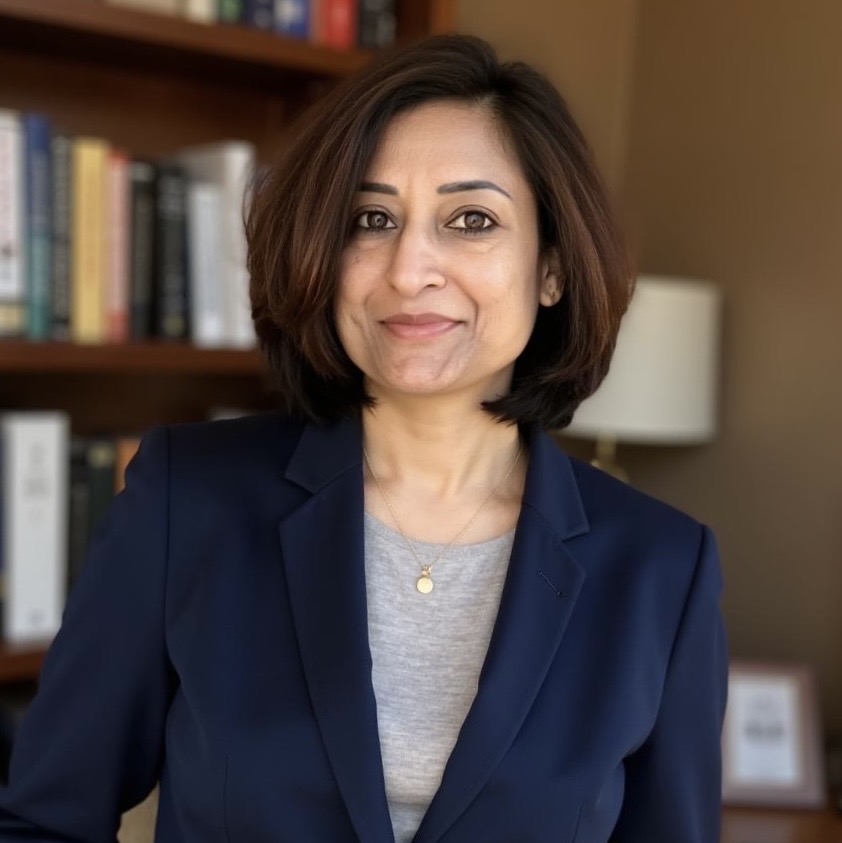
"Psychotherapy takes place in the overlap of two areas of playing, that of the patient and that of the therapist."
— D.W. WinnicottAbout
I spent fifteen years building systems in Silicon Valley before I understood that the most complex architecture I would ever encounter was a human being. What began as curiosity about human behavior became a realization: the same systematic thinking that served me in engineering could be applied to understanding the human psyche. But unlike code, human beings cannot be debugged. They require patience, genuine relationship, and sustained attention.
My therapeutic philosophy rests on a simple but demanding belief: our earliest experiences with caregivers create an internal blueprint for how we navigate relationships, work, and meaning — patterns formed before we had words for them, still shaping our choices in ways we don't always recognize. What draws me to psychoanalytic work is its commitment to understanding what actually drives those patterns, because that kind of understanding allows for real change: not adjustment to what's expected of you, but genuine alignment with who you actually are.
In My Own Words
As an immigrant, home has always been plural for me.
India is the ruh (soul), America is the jazba (passion).One offers roots, the other freedom.One contemplates existence, the other possibility.Tradition where there is innovation.Collective warmth where there is individual fire.America is the open road to India's winding lanes,the question "why not?" to balance "this is how."
Chandra Rai · Published in TAP Magazine, December 2025Expertise
Psychotherapy and psychoanalysis are not the same practice, even when they happen in the same room. Psychotherapy tends to work with what's presenting — the symptom, the conflict, the immediate distress. Psychoanalysis asks a slower, more structural question: what internal architecture produced this in the first place, and how far back does it go?
At its heart, psychoanalysis is an extended, sustained relationship built to help you understand not just what you feel, but why you feel it — and why the same patterns keep finding you, no matter how much your circumstances change. Most of what shapes us is only partially available to us: we experience the outcome without seeing the internal logic that produced it. It isn't just what happened to you that shapes a life; it's the particular style of thinking you've built in response.
This isn't faster or slower psychotherapy — it's a different instrument, built for a different depth of question. Over time, certain themes begin to surface in the room, and we follow that repetition rather than steer around it. I encourage the use of the couch, which tends to loosen the more performative parts of conversation; dreams, humor, and the particular way you use language aren't asides here — they're some of the richest material we have.
Typically 2–5 sessions weeklyAt its heart, psychotherapy is a relationship that lets you look at your life without carrying the weight of it alone. Most conversations in daily life require us to protect ourselves — we manage how we're perceived, edit our thoughts so we don't worry the people we love, and keep up appearances just to get through the day. Therapy is the one space where those demands are entirely suspended, and where the conversation is allowed to move at its own pace.
It isn't just talking about your problems — if that alone were enough, we'd all heal just by venting to our friends. What actually moves things is tracing the patterns you keep falling into, the relationships that always end the same way, back to where they came from — and the experience of being fully seen by someone entirely on your side, which lets you say the hard things out loud and discover you're still safe on the other side.
Typically weeklyWho I Work With
You were promoted because you could see the system others couldn't. Then you were expected to lead the people running it — and the clarity that made you excellent at the first job started working against you in the second. There's a particular isolation in being the smartest person in the room. I offer therapy for technology professionals across Silicon Valley who are fluent in debugging everything except themselves.
You did the thing — left the marriage, took the promotion, moved across the country — and still catch yourself thinking "I got lucky" instead of letting yourself take credit. That habit of downplaying what you've earned usually traces back to early messages about femininity and worth, long before the decision itself. This is women's empowerment counseling that starts with your history, not a slogan — helping you own your authority instead of just performing it.
You raise children in a language your parents didn't speak, toward a version of success they might not recognize. Somewhere in that gap is an invisible story nobody told you you were carrying — unspoken rules about loyalty and belonging, passed down before you had words for them. As an Indian American therapist, I offer cross-cultural therapy that treats your dual inheritance as material to work with, building toward the kind of cultural agility that lets you hold both worlds without apology.
A child who lines up the same toy cars the same way, every single day, isn't stuck. They're working something out, one repetition at a time — the only language available to them before words are trustworthy. Child and play therapy sessions are built around that logic, in close partnership with parents — you're not dropping your child off with a stranger, you're part of the process throughout.
The past is not history — it lives actively within us, shaping how we experience love, work, disappointment, and connection in the present moment.
Common Questions
Do I really need therapy? I can usually handle my problems.
Everyone goes through challenging situations, and while you may have navigated other difficulties successfully, there's nothing wrong with seeking support when you need it. Therapy is for people with enough self-awareness to recognize they'd benefit from a collaborative process.
What happens in a first consultation?
A brief phone consultation is a chance to share what's bringing you to therapy and ask any questions about my approach. There's no commitment — it's simply a conversation to see if we might be a good fit.
What's the difference between therapy and psychoanalysis?
Psychotherapy usually addresses what's presenting now, often weekly, working toward defined goals. Psychoanalysis meets more frequently, unfolds over a longer horizon, and follows the material wherever it leads — dreams, associations, the relationship itself — rather than steering toward a fixed outcome. I offer both, and we can talk through which fits what you're bringing.
Do you accept insurance?
I can provide superbills for clients with out-of-network mental health benefits, which you can submit to your insurance provider for possible reimbursement. Reach out directly for current rate and payment details.
Do you offer telehealth?
Yes. I see clients in person in San Jose and via secure video session throughout California.
How often would we meet?
It depends on the work. Weekly psychotherapy is common for focused concerns; psychoanalytic work typically meets more frequently, since the depth and continuity of the relationship are part of what makes the process effective. We'll figure out the right frequency together.
Get In Touch
Most people feel uncertain before reaching out. That's expected. A brief consultation is a chance to ask questions and get a sense of whether this kind of work might fit — with no commitment and no pressure.
(408) 475-2311 Send a messageOffice Address
1975 Hamilton Ave, Suite 10
San Jose, CA 95125
Office Hours
Mon – Fri, 9:00 AM – 5:00 PM
Evenings by arrangement
Telehealth
Available throughout California
Confidentiality
All sessions are strictly confidential under California law.
Serving
San Jose, Sunnyvale, Campbell, Willow Glen, Santa Clara, Cupertino, Palo Alto, and the greater Bay Area